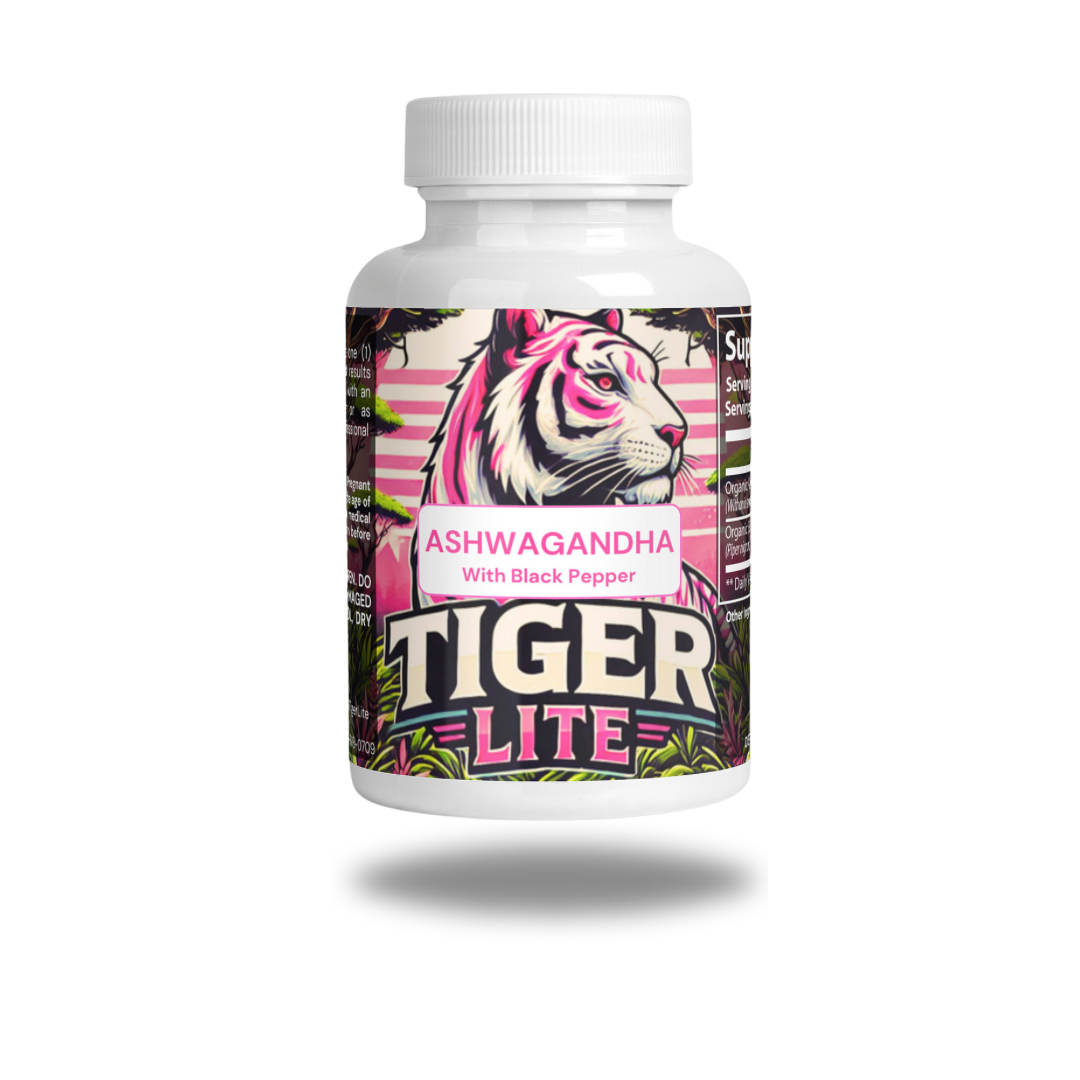
ASHWAGANDHA
Ashwagandha (Withania somnifera)
Ashwagandha, also known as Indian ginseng or winter cherry, is an important herb in Ayurvedic medicine. It is an adaptogen, which means it helps the body deal with stress. The roots and berries of the plant are usually used in supplements.
Who Should Take Ashwagandha?
Beneficial for:
- Stress and Anxiety: Ashwagandha can lower stress hormones and help you feel less anxious.
- Sleep Problems: It may help you sleep better.
- Thyroid Issues: It can support thyroid health, especially if you have low thyroid levels.
- Athletes: It may improve physical performance and muscle strength.
- Cognitive Issues: It may help with memory and thinking skills.
- Inflammation: Ashwagandha has anti-inflammatory properties.
Not Recommended for:
- Pregnant or Breastfeeding Women: There's not enough information on its safety.
- Autoimmune Diseases: It might worsen conditions like rheumatoid arthritis, lupus, and multiple sclerosis.
- Hyperthyroidism: It may increase thyroid hormone levels even more.
- Sedatives or Anxiety Medications: It can increase the effects of these drugs.
Efficacy and Dosage
Efficacy:
- Stress and Anxiety: Ashwagandha can significantly reduce stress and anxiety levels.
- Cognitive Function: It may improve memory, attention, and processing speed.
- Physical Performance: It can increase muscle strength, improve recovery, and enhance endurance.
- Thyroid Function: It helps balance thyroid hormones, especially in those with low thyroid levels.
Dosage:
- General Well-being: 300-500 mg of a standardized extract once or twice daily.
- Stress and Anxiety: 600 mg per day, split into two doses.
- Cognitive Function: 300 mg twice daily.
- Physical Performance: 500-1,000 mg daily.
Side Effects and Safety
Common Side Effects:
- Gastrointestinal Issues: Nausea, diarrhea, and stomach upset.
- Drowsiness: Especially at higher doses.
Safety:
- Short-term use: Generally safe for most people.
- Long-term use: Limited safety data. It's a good idea to take breaks.
- Interactions: Can interact with sedatives, thyroid medications, and immunosuppressants. Always consult a healthcare provider before starting ashwagandha.
Comparative Analysis: Ashwagandha vs. Rhodiola Rosea
Similar Supplement: Rhodiola Rosea
Both ashwagandha and rhodiola help the body cope with stress.
Comparative Efficacy:
- Stress and Anxiety: Both are effective, but ashwagandha might be better for lowering cortisol levels.
- Cognitive Function: Rhodiola is good for reducing mental fatigue and improving focus, while ashwagandha may offer broader cognitive benefits.
- Physical Performance: Ashwagandha supports muscle strength and recovery, while rhodiola reduces fatigue and improves endurance.
Dosage:
- Ashwagandha: 300-500 mg of a standardized extract once or twice daily.
- Rhodiola Rosea: 200-600 mg per day, taken 30 minutes before breakfast and lunch.
Side Effects:
- Ashwagandha: Gastrointestinal issues and drowsiness.
- Rhodiola: Dizziness and dry mouth.
Safety:
- Ashwagandha: Not recommended for pregnant/breastfeeding women and those with hyperthyroidism or autoimmune conditions.
- Rhodiola: Should be used with caution in people with bipolar disorder due to potential mood swings.
Conclusion
Ashwagandha is a powerful adaptogen that can reduce stress and enhance physical and mental performance. However, it should be used carefully by certain groups and under the guidance of a healthcare professional. Comparing it with Rhodiola Rosea can help you choose the best adaptogen for your specific needs and health conditions.

Ashwagandha