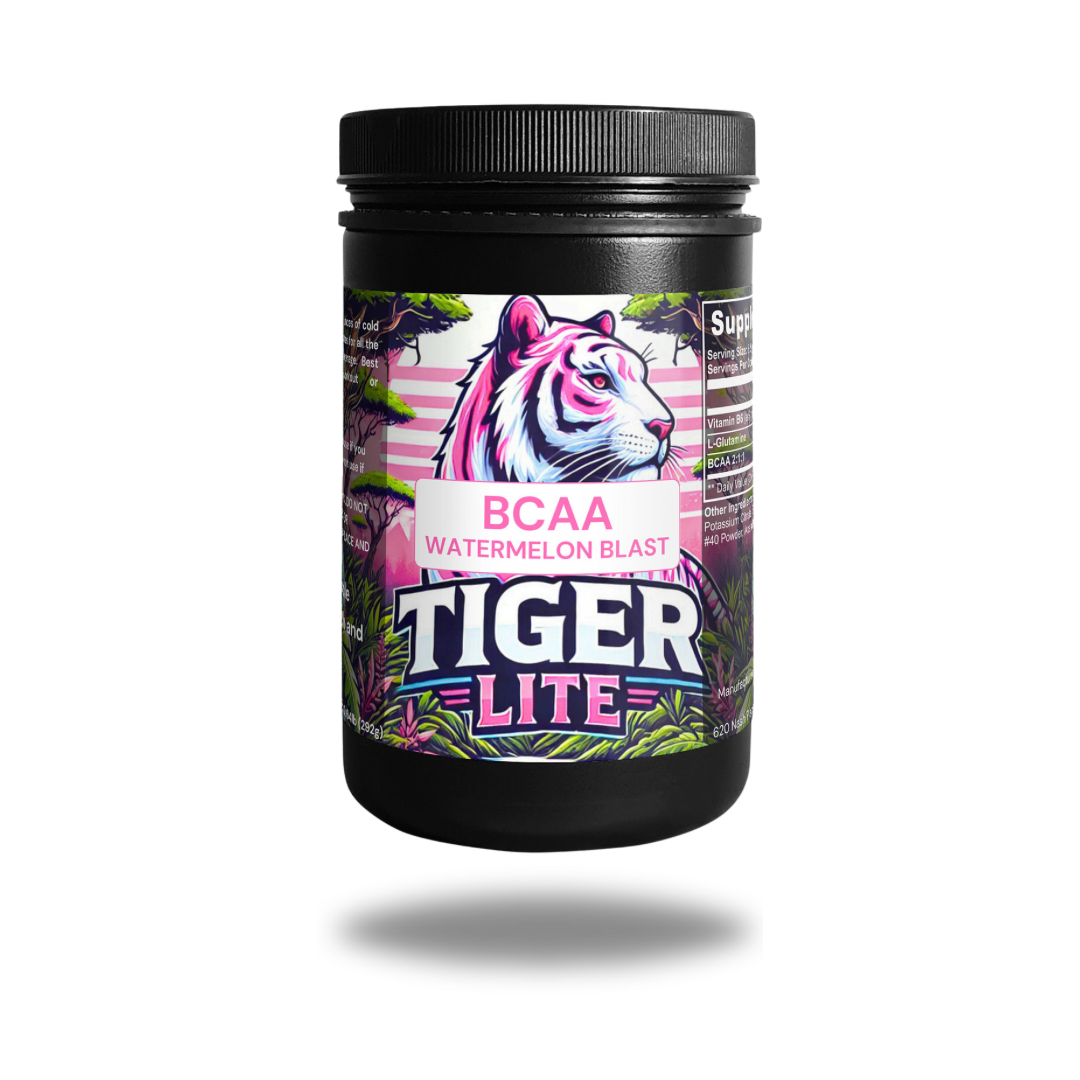
BCAA's
BCAA (Branched-Chain Amino Acids) supplements are popular with athletes, bodybuilders, and fitness lovers because they help with muscle recovery, reduce muscle soreness, and prevent muscle breakdown during hard workouts. The three BCAAs—leucine, isoleucine, and valine—are essential amino acids. This means our bodies can’t make them, so we need to get them from food or supplements. This BCAA supplement has a 2:1:1 ratio of leucine, isoleucine, and valine, which is thought to be the best for helping muscles grow.
This product also contains Vitamin B6, which helps with energy and amino acid metabolism, L-Glutamine for muscle recovery, and flavoring agents to improve taste.
Who Should Take This BCAA Supplement?
BCAAs are great for:
- Athletes and bodybuilders: BCAAs help reduce muscle soreness, improve recovery, and prevent muscle breakdown, especially after tough workouts.
- People on low-calorie diets: BCAAs can help keep muscle while losing fat, making them useful for those trying to lose weight but keep their muscles.
- Those who want to boost workout performance: BCAAs can be taken before or during exercise to help with endurance, reduce fatigue, and keep energy levels up.
- Vegetarians and vegans: Since BCAAs are found in animal products, this supplement can help people on plant-based diets get enough of these essential amino acids.
Who Should Avoid This BCAA Supplement?
- People with specific amino acid metabolism disorders: Those with conditions like maple syrup urine disease (MSUD) should not take BCAAs because they can cause harmful effects.
- Pregnant or breastfeeding women: The safety of BCAAs during pregnancy and breastfeeding is not well known, so it’s best to avoid them unless a doctor advises otherwise.
- People with kidney or liver disease: Taking too many amino acids can strain the kidneys and liver, so people with these conditions should be careful and consult a doctor before using BCAAs.
- Those sensitive to artificial sweeteners: This product contains sweeteners like sucralose, which might cause stomach discomfort in some people.
How Effective Are BCAAs?
- Muscle Growth: BCAAs, especially leucine, help start the process that builds muscle. This makes them great for muscle growth and recovery after workouts.
- Reducing Muscle Soreness: Taking BCAAs before or after exercise can help reduce muscle soreness, making it easier to recover after intense workouts.
- Preventing Muscle Breakdown: BCAAs can stop muscles from breaking down during long exercise sessions or when cutting calories, helping you keep lean muscle.
- Energy and Endurance: Muscles can use BCAAs for energy during workouts, which helps maintain performance and reduce fatigue, especially during long activities.
Dosage:
- General Use: A common dose is 5-10 grams per serving, taken 1-3 times a day depending on your workout intensity and personal needs.
- Before Workouts: 5-10 grams 15-30 minutes before exercise to help with performance and prevent muscle breakdown.
- During Workouts: 5-10 grams sipped during exercise to keep energy levels up and delay fatigue.
- After Workouts: 5-10 grams immediately after exercise to support muscle recovery and reduce soreness.
Side Effects and Safety
-
Common Side Effects:
- Stomach issues: Some people might experience bloating, nausea, or stomach cramps, especially if they take high doses or are sensitive to the sweeteners used in the product.
- Fatigue or coordination problems: Rarely, high doses of BCAAs can cause fatigue or coordination issues, especially in those with certain health conditions.
- Allergic reactions: Some people might be allergic to ingredients like sucralose or flavoring agents, leading to itching, rash, or swelling.
-
Safety:
- Short-term use: Generally safe for most people when used as directed, especially if combined with a balanced diet and regular exercise.
- Long-term use: Safe at recommended doses, but taking too much for too long without enough protein from other sources might cause an imbalance in amino acids. It’s a good idea to take breaks or cycle its use.
- Interactions: BCAAs might interfere with medications that affect blood sugar or other metabolic processes. If you take medication for diabetes, liver disease, or other chronic conditions, talk to your doctor before using BCAAs.
Comparing BCAAs to EAAs (Essential Amino Acids)
BCAAs and EAAs are both popular supplements in fitness, but they have different benefits.
- Muscle Growth: While BCAAs are great at stimulating muscle growth, EAAs provide all nine essential amino acids, offering broader support for muscle growth and recovery.
- Muscle Recovery: BCAAs help reduce soreness and speed up recovery, but EAAs might offer extra benefits by providing a complete amino acid profile for muscle repair.
- Energy and Endurance: BCAAs are used directly by muscles for energy during workouts, making them a bit better for immediate energy and endurance. EAAs also help with energy but are more involved in overall protein synthesis.
- Overall Nutrition: EAAs provide more complete nutritional support since they include all essential amino acids, making them better for people who might not get enough from their diet.
Dosage:
- BCAAs: 5-10 grams per serving, typically taken before, during, or after workouts.
- EAAs: 10-15 grams per serving, taken in a similar way to BCAAs, but they can also be used as a more complete protein supplement.
Side Effects:
- BCAAs: Possible digestive discomfort, fatigue, coordination issues, or allergic reactions to sweeteners or flavors.
- EAAs: Similar digestive issues, especially if taken in large amounts, and possible allergic reactions if the product has artificial ingredients.
Safety:
Both BCAAs and EAAs are generally safe when used as directed. EAAs might offer a more balanced approach, especially for those with varied diets.
Conclusion
BCAAs are excellent for helping muscles grow, reducing soreness, preventing muscle breakdown, and supporting workout performance. This BCAA supplement, with added Vitamin B6 and L-Glutamine, is generally safe but should be used with caution by people with certain medical conditions or sensitivities. Comparing BCAAs to EAAs shows that while BCAAs focus more on immediate muscle recovery and energy, EAAs provide a wider range of nutritional benefits. Both can be valuable depending on your health goals, diet, and fitness level.

BCAA Post Workout Powder (Honeydew/Watermelon)