CHAGA MUSHROOM
Chaga Mushroom (Inonotus obliquus)
Chaga mushroom is a type of fungus that grows mainly on the bark of birch trees in cold places like Siberia, Russia, and northern Europe and North America. It has been used in traditional medicine for hundreds of years, especially in Russia and nearby countries, because of its health benefits.
Who Should Take Chaga Mushroom?
Beneficial for:
- Immune Support: Chaga helps boost the immune system.
- Inflammation: It has strong anti-inflammatory properties.
- Antioxidants: Chaga is rich in antioxidants that protect against cell damage.
- Digestive Health: It may help with stomach issues and protect against ulcers.
- Heart Health: Chaga might help lower blood pressure and cholesterol.
- Diabetes: Some studies suggest it can help control blood sugar levels.
Not Recommended for:
- Pregnant or breastfeeding women: Safety is not established.
- Autoimmune diseases: It can stimulate the immune system and worsen these conditions.
- Bleeding disorders: Chaga can thin the blood and increase bleeding risk.
- Surgery patients: Avoid Chaga two weeks before surgery due to blood-thinning effects.
- Those on blood-thinning medications: It can interact with these drugs and increase bleeding risk.
- Mushroom allergies: Avoid Chaga if you have a known allergy.
Efficacy and Dosage
Efficacy:
- Immune Support: Chaga boosts the immune system with its high beta-glucan content.
- Anti-inflammatory Effects: It reduces inflammation, helping conditions like arthritis.
- Antioxidant Properties: Chaga is very rich in antioxidants, protecting cells and supporting health.
- Digestive Health: It can protect the stomach and improve digestion.
- Heart Health: It may help lower blood pressure and cholesterol.
- Blood Sugar Control: Early research suggests it helps manage blood sugar in diabetes.
Dosage:
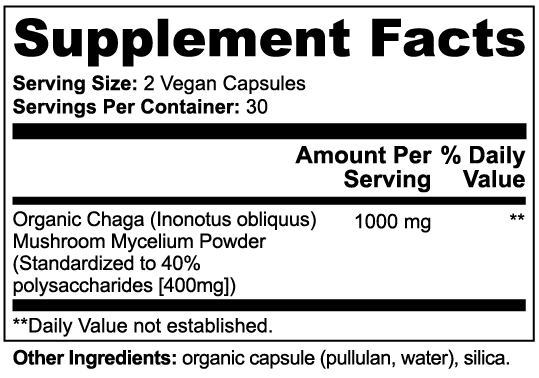
- General Health: 1,000-2,000 mg of Chaga extract per day.
- Immune Support: Up to 3,000 mg per day, in 2-3 doses.
- Antioxidant Benefits: 1,000-2,000 mg per day.
- Digestive Health: 1,000-2,000 mg per day.
Side Effects and Safety
Common Side Effects:
- Digestive issues: Some people may experience diarrhea or stomach discomfort.
- Blood Thinning: Increased risk of bleeding due to its anticoagulant properties.
- Allergic reactions: Rare, but possible in those allergic to mushrooms.
Safety:
- Short-term use: Generally safe for most people.
- Long-term use: Limited data on safety. It's advisable to take breaks.
- Interactions: Can interact with blood-thinning medications and diabetes drugs. Always consult a healthcare provider before starting Chaga, especially if on medication.
Comparative Analysis: Chaga vs. Lion's Mane Mushroom
Similar Supplement: Lion's Mane Mushroom (Hericium erinaceus)
Both Chaga and Lion's Mane mushrooms are known for their health benefits, especially for immune support and cognitive health.
Comparative Efficacy:
- Immune Support: Both boost the immune system. Chaga is especially strong due to its beta-glucans.
- Anti-inflammatory Effects: Chaga is very effective in reducing inflammation, while Lion's Mane is good for brain inflammation.
- Antioxidant Properties: Chaga has more antioxidants than Lion's Mane.
- Cognitive Health: Lion's Mane is known for improving brain function and nerve health, which Chaga does not offer.
- Digestive Health: Both help with digestion, but Lion's Mane is particularly good for gut health.
Dosage:
- Chaga: 1,000-3,000 mg per day.
- Lion's Mane: 1,000-3,000 mg per day.
Side Effects:
- Chaga: Mild digestive issues, increased bleeding risk.
- Lion's Mane: Rare allergic reactions and mild digestive discomfort.
Safety:
Both supplements are generally safe when used as recommended. However, individual health conditions should be considered, and consulting a healthcare provider is advisable.
Conclusion
Chaga mushroom offers many health benefits, especially for immune support, reducing inflammation, and antioxidant protection. While generally safe, it should be used carefully by certain groups and under the guidance of a healthcare professional. Comparing Chaga to Lion's Mane mushroom shows their unique strengths, helping you choose based on your health goals.

Chaga Mushroom