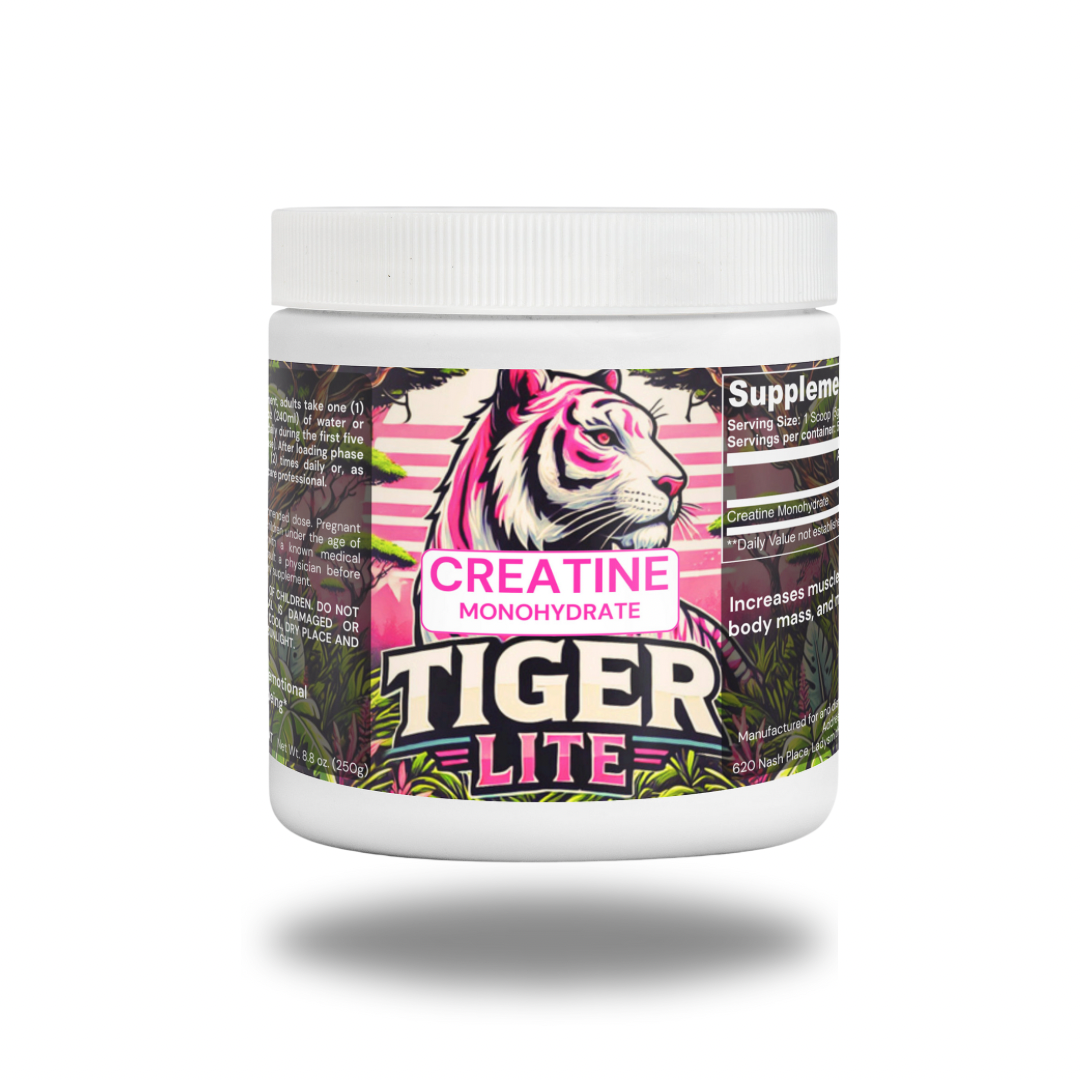
Creatine Monohydrate
Creatine Monohydrate is a popular and well-researched dietary supplement commonly used by athletes and bodybuilders to enhance performance, increase muscle mass, and improve strength. It is a naturally occurring compound found in small amounts in certain foods (like meat and fish) and synthesized in the human body from the amino acids arginine, glycine, and methionine.
Who Should Take Creatine Monohydrate?
Beneficial for:
- Athletes and bodybuilders: Enhances performance, increases muscle mass, and improves strength.
- Individuals involved in high-intensity training: Benefits those engaging in activities that require short bursts of energy, such as sprinting or weightlifting.
- Older adults: May help combat age-related muscle loss (sarcopenia) and improve muscle function.
- Vegetarians and vegans: May have lower baseline levels of creatine and could benefit from supplementation.
- Individuals recovering from injury: Can aid in the rehabilitation process by maintaining muscle mass and strength.
Not Recommended for:
- Individuals with kidney disease: Creatine can put additional strain on the kidneys.
- Pregnant or breastfeeding women: Safety has not been well studied in these groups.
- People with pre-existing liver conditions: Should use creatine with caution and consult a healthcare provider.
- Individuals sensitive to weight gain: Creatine can cause water retention, which may not be desirable for all users.
Efficacy and Dosage
Efficacy:
- Muscle Mass and Strength: Creatine is highly effective in increasing muscle mass and strength. It enhances the body's ability to produce ATP (adenosine triphosphate), the energy currency of cells, particularly during high-intensity, short-duration exercises.
- Exercise Performance: Improves performance in activities requiring rapid energy bursts, such as sprinting and weightlifting.
- Recovery: Aids in quicker recovery between sets and overall recovery from exercise, reducing muscle cell damage and inflammation.
- Cognitive Function: Emerging evidence suggests benefits for cognitive function, particularly under stress or in sleep-deprived conditions.
Dosage:
- Loading Phase: 20 grams per day, divided into 4 doses, for 5-7 days. This saturates muscle creatine stores more quickly.
- Maintenance Phase: 3-5 grams per day, taken consistently.
- Alternative Approach: Some opt to skip the loading phase and take 3-5 grams per day from the start, which will eventually saturate muscle stores in about 3-4 weeks.
Side Effects and Safety
Common Side Effects:
- Water retention: Can cause weight gain due to increased water content in muscles.
- Digestive issues: Some individuals may experience stomach cramps, nausea, or diarrhea, particularly during the loading phase.
- Muscle cramps: Rare, but possible.
Safety:
- Short-term use: Generally considered safe for most people.
- Long-term use: Studies indicate that long-term use (up to 5 years) is safe for healthy individuals.
- Interactions: No significant interactions with most medications, but those with kidney or liver conditions should consult a healthcare provider.
Comparative Analysis: Creatine Monohydrate vs. Beta-Alanine
Similar Supplement: Beta-Alanine
- Both creatine monohydrate and beta-alanine are used to enhance athletic performance and increase muscle endurance.
Comparative Efficacy:
- Muscle Mass and Strength: Creatine is more effective at increasing muscle mass and strength due to its role in ATP production.
- Exercise Performance: Both supplements improve performance, but in different ways. Creatine enhances short-duration, high-intensity activities, while beta-alanine improves performance in activities lasting 1-4 minutes by buffering acid in muscles.
- Endurance: Beta-alanine is more effective in improving muscular endurance during longer bouts of exercise.
- Recovery: Creatine aids in quicker recovery between high-intensity efforts, whereas beta-alanine primarily delays muscle fatigue.
Dosage:
- Creatine Monohydrate: 20 grams per day for 5-7 days (loading), then 3-5 grams per day (maintenance).
- Beta-Alanine: 2-5 grams per day, usually split into smaller doses to avoid tingling sensations (paresthesia).
Side Effects:
- Creatine Monohydrate: Water retention, digestive issues, muscle cramps.
- Beta-Alanine: Paresthesia (tingling sensation), usually at higher doses.
Safety:
- Both supplements are generally safe for most people when used in recommended dosages. However, individuals with specific health conditions should consult a healthcare provider.
Conclusion
Creatine monohydrate is a highly effective and well-researched supplement for increasing muscle mass, strength, and enhancing athletic performance. While generally safe, it should be used with caution in individuals with kidney or liver conditions and always under the guidance of a healthcare professional. Comparing creatine monohydrate to beta-alanine highlights their unique strengths, allowing individuals to choose based on their specific health goals and needs.

Creatine Monohydrate